

Knowledge base
Best Electric Vehicles for Families in Australia
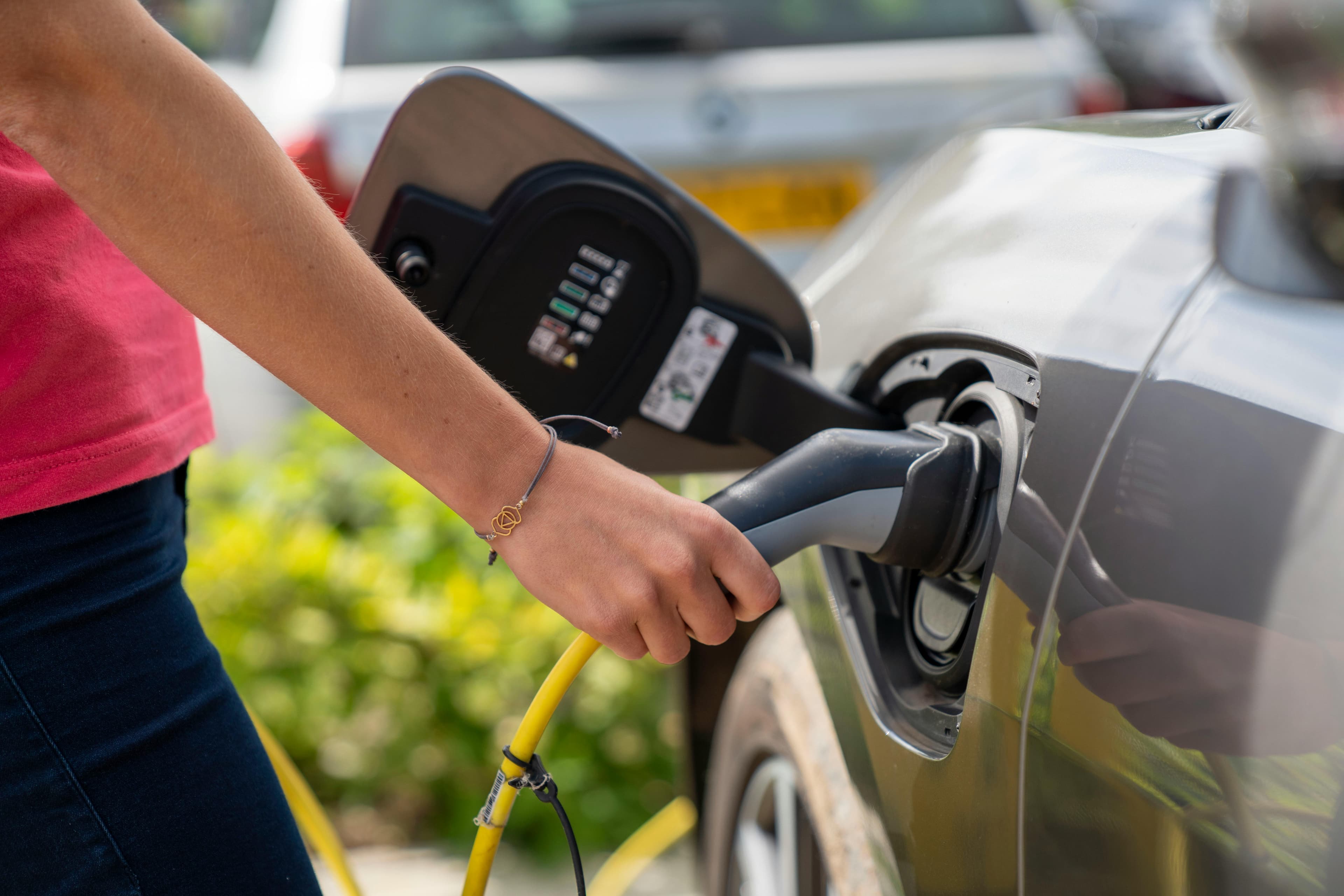
Mid-size electric SUVs are the sweet spot for most Australian families, with real-world range above 350 kilometres, both a rear boot and front trunk for storage, and strong ANCAP safety scores. Prices for family-capable EVs start under $50,000 and run well into six figures for premium models.
Here is what to look for and the types of EVs that tend to suit families best.
What makes a good family EV?
Before looking at specific vehicle types, it helps to know what matters most for families:
Test drove something in this price bracket? Mention the model and we will tailor the conversation.
Different lenders have different appetites for brands and ages - brokers shortcut the guesswork.
- Range. You want enough range to handle your daily driving without constantly worrying about charging. For most families, anything above 350 kilometres of real-world range is comfortable for everyday use.
- Boot space. Prams, sports gear, shopping bags, all of it needs to fit. Many EVs have both a rear boot and a front trunk (frunk), which gives you extra storage that petrol cars cannot match.
- Safety ratings. Most modern EVs score very well in ANCAP safety testing, partly because the heavy battery pack lowers the centre of gravity and partly because they tend to be newer designs built on purpose-built platforms.
- Rear seat space. If you have kids in car seats, check the rear seat width and the ease of fitting ISOFIX anchors. Not all EVs are equally generous in the back.
- Charging convenience. Make sure you can charge at home or at your workplace. Most family driving happens on the daily commute and school run, which means overnight home charging covers the bulk of your needs.
Types of EVs that suit families
Electric SUVs and crossovers tend to be the sweet spot for families. They offer the space, ride height, and practicality that families need, with the lower running costs that come with electric.
Mid-size electric SUVs are the most popular choice. They are big enough for a family of four or five, offer good boot space, and come in a wide price range. There are options available from around $40,000 through to well over $90,000 before on-road costs, depending on brand and spec.
Larger electric SUVs or seven-seaters are starting to appear as well, which is great news for bigger families. These sit at the higher end of the market but offer serious space and capability.
Compact electric hatchbacks or crossovers can work for smaller families or as a second car. They are more affordable and easier to park, but you may find the boot space limiting once kids and their gear are involved.
What about road trips?
This is a fair concern. Long-distance driving in an EV requires a bit more planning than in a petrol car, but it is getting easier all the time as the public charging network expands.
For family road trips, look for a vehicle with at least 400 kilometres of range and fast-charging capability (the ability to use DC fast chargers on the highway). A 15 to 30 minute charging stop at a fast charger can add significant range and is not much different from a toilet and snack stop with kids anyway.
How much does a family EV cost?
Prices vary widely. You can get into a family-capable EV for under $50,000, or spend well into six figures for a premium option. Our guide on how much an electric vehicle costs in Australia goes into more detail on pricing across categories.
Found an EV that fits your budget? The finance path needs to fit too.
We help you compare the main options for the vehicle you are considering - personal, business and novated where it applies.
Specialist EV finance brokers.
If the upfront cost is a concern, financing lets you spread it over time. Once you factor in the savings on fuel and servicing, the monthly cost of ownership is often lower than it first looks. A specialist EV finance broker can model the numbers for the specific model you are considering.
For more general vehicle finance options, Aussie Finance Hub is a good starting point.