

Educational
EV Charging at Home: What It Costs and How to Set It Up
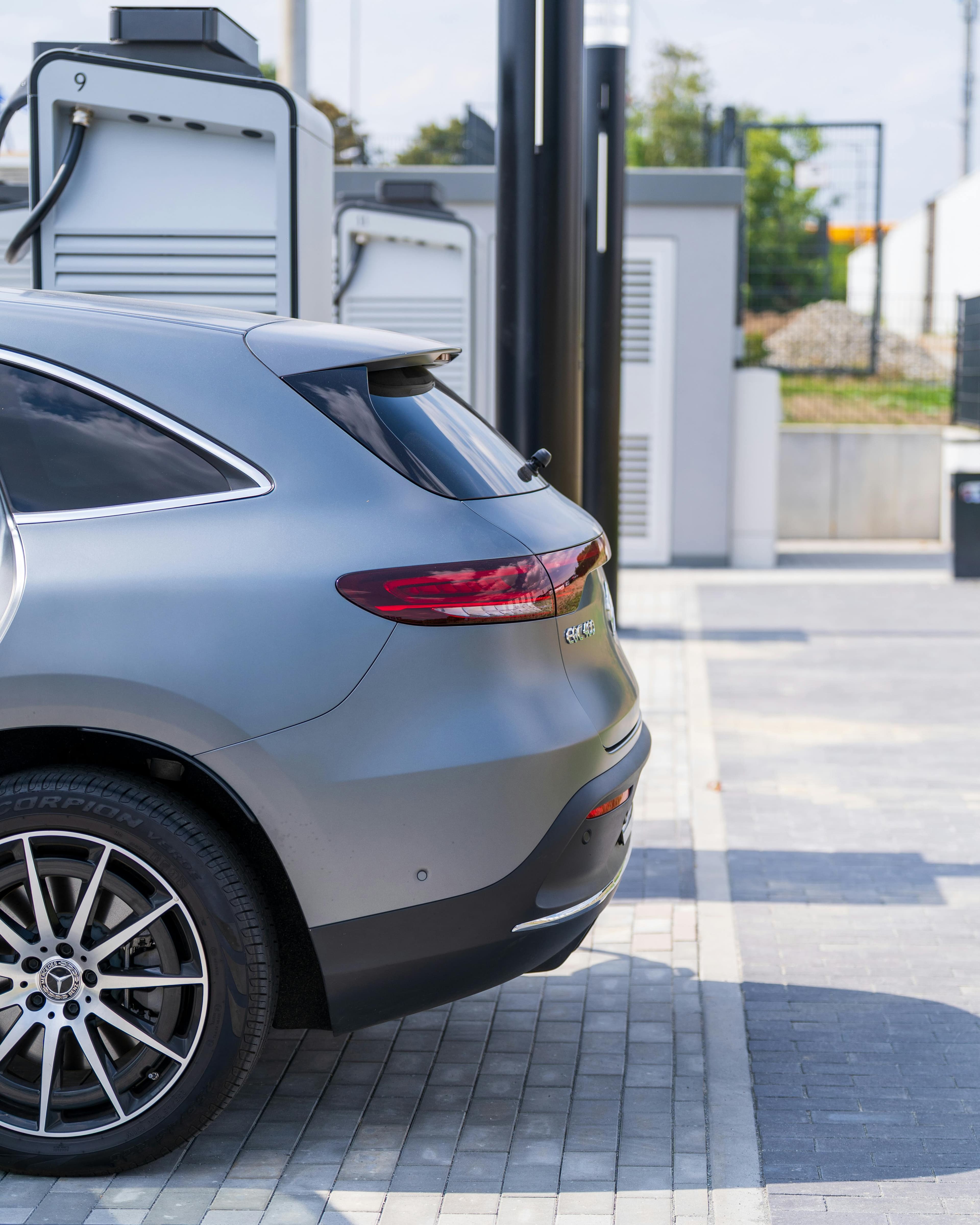
A fully installed Level 2 home charger typically costs $2,000-$5,000 in Australia, and lets most EVs charge fully overnight. A basic Level 1 setup using a standard power point costs nothing extra but adds only 10-15 kilometres of range per hour. Here is what you need to know to choose between them.
Your two main options
Level 1 charging (standard power point). Every EV comes with a portable charger that plugs into a regular 240V household power point. This is the slowest option, adding roughly 10 to 15 kilometres of range per hour of charging. For a vehicle with 400 kilometres of range, a full charge from empty would take well over 24 hours.
That said, most people do not charge from empty. If your daily driving is 50 to 80 kilometres, a Level 1 charger plugged in overnight will comfortably top you up each day. It is the cheapest option because there is no additional equipment to buy or install.
Level 2 charging (dedicated wall charger). A Level 2 home charger (also called an EVSE or wall box) is hardwired into your electrical system by a licensed electrician. It charges significantly faster than a standard power point, typically adding 30 to 50 kilometres of range per hour depending on the unit and your electrical setup.
If the running costs stack up, the next question is how to fund the switch sensibly.
We help you compare practical finance options for the EV you have in mind - consumer, business or packaging where relevant.
For most EV owners, a Level 2 charger is the ideal setup. It means you can fully charge overnight even with a larger battery, and it is more convenient if you drive higher daily kilometres.
How much does a home charger cost to install?
The cost of a Level 2 charger and installation varies depending on the unit you choose and the complexity of the electrical work.
The charger unit itself typically costs $800-$2,500 depending on the brand, features, and charging speed.
Installation by a licensed electrician usually costs $1,000-$3,000, depending on how far the charger is from your switchboard, whether your switchboard needs an upgrade, and any trenching or cabling work required.
Lower fuel bills are only half the picture - the loan structure needs to fit how long you will keep the car.
A broker can match term, balloon and payment rhythm to how you drive and how you use the vehicle.
All up, you are generally looking at $2,000-$5,000 for a fully installed Level 2 home charger. Some EV manufacturers or dealers offer charger packages bundled with the vehicle purchase, which can reduce the cost.
How much does it cost to charge at home?
This depends on your electricity rate. Most Australians pay somewhere between $0.25 and $0.40 per kWh on a standard retail plan, with off-peak rates often around $0.15-$0.25/kWh on time-of-use tariffs.
A typical EV uses between 15 and 20 kWh per 100 kilometres. At $0.30/kWh, that is roughly $4.50-$6.00 per 100 km in electricity. Compare that to a petrol car doing 8 litres per 100 kilometres at roughly $1.80-$2.00 per litre (market moves, check the bowser), which is often around $15-$20 per 100 km in fuel alone. Home charging usually wins comfortably on energy cost.
If you charge during off-peak hours (usually overnight), many electricity plans offer a lower rate, reducing your charging costs even further.
If you have solar panels, you can charge during the day using your own generated power, which can bring the cost close to zero. A Level 2 charger with a timer or smart scheduling feature makes this easy to manage.
What about apartments and renters?
Home charging is straightforward if you have a house with a garage or carport. It gets more complicated if you live in an apartment or you are renting.
For apartments, installing a charger in a body corporate building usually requires approval from the owners' corporation. Some states have introduced laws to make this easier, but the process varies. Check with your body corporate or strata manager.
For renters, portable Level 1 charging (standard power point) is the easiest option because it does not require any permanent installation. If you want a Level 2 charger installed, you will need your landlord's permission, and you may need to negotiate who pays for the installation.
Do I need to upgrade my switchboard?
Possibly. Older homes with smaller switchboards may need an upgrade to handle the extra load of an EV charger, particularly a higher-powered Level 2 unit. A licensed electrician can assess your setup and advise whether an upgrade is needed. Factor this into your budget.
How does this compare to petrol?
There is no question that home charging is cheaper than petrol. Over 15,000 kilometres a year, the savings typically amount to well over a thousand dollars, and potentially much more if you have solar or charge on off-peak rates.
A specialist EV finance broker can also help you weigh home-charging setup costs into the overall running-cost picture when structuring your loan. For more information on finance and asset purchases, Aussie Finance Hub covers a wide range of topics.