

Educational
EV Maintenance: What Servicing Does an Electric Car Need?
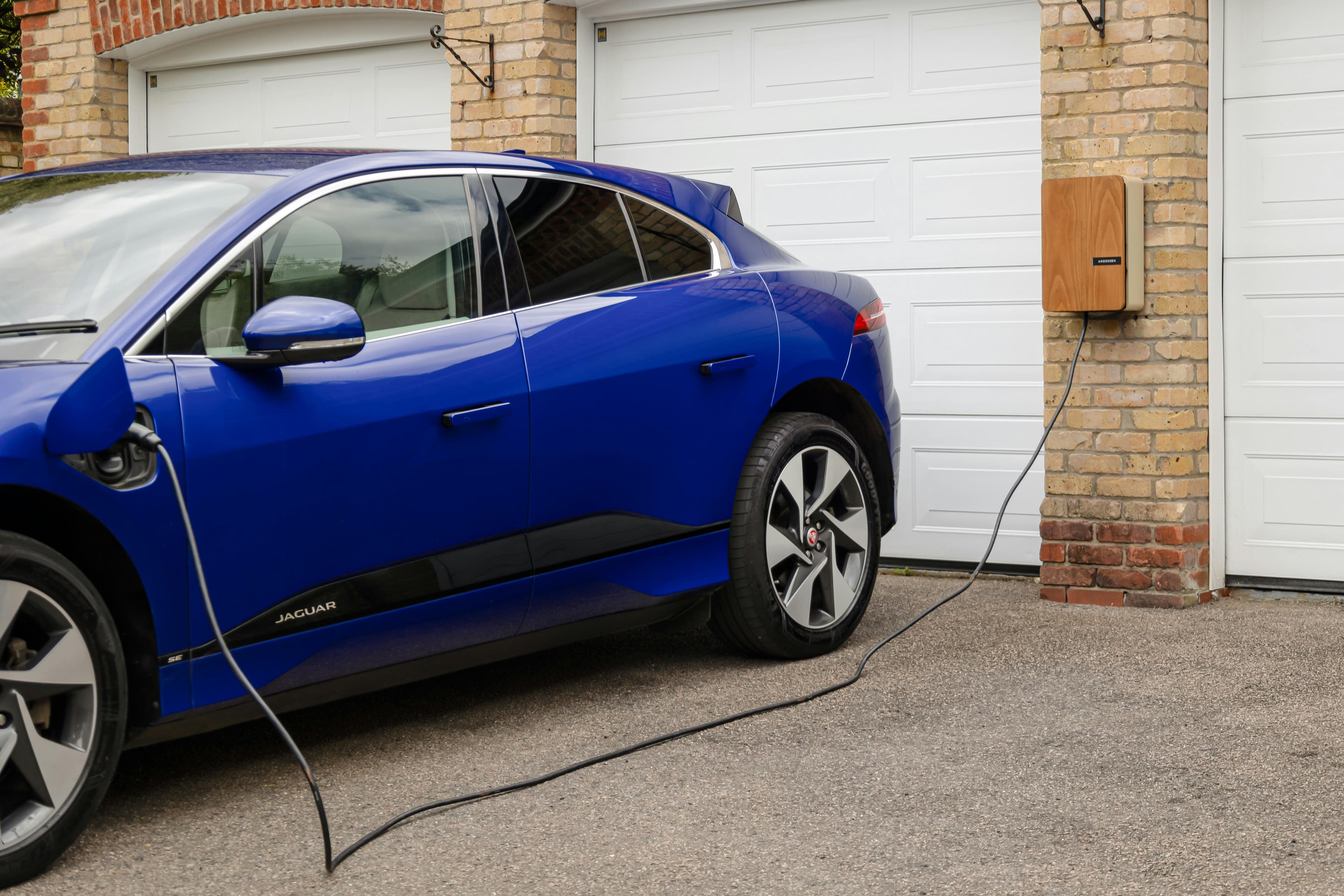
EVs need less servicing than petrol cars, not none. Most manufacturers recommend a service every 12 months or 15,000 to 20,000 kilometres, and the visit is typically quicker and cheaper because there is no engine, exhaust or transmission to maintain.
Here is what servicing an EV actually involves.
What you do not need to worry about
An EV has no internal combustion engine, which means a whole category of maintenance disappears. There are no oil changes, no spark plugs, no timing belts, no exhaust system, no fuel filters, no transmission fluid (most EVs have a single-speed transmission), and no clutch.
That is a lot of servicing and potential failure points that simply do not exist in an electric vehicle.
What still needs servicing
Brakes. EVs have conventional brakes, but they wear much more slowly than in a petrol car because regenerative braking does most of the stopping. The electric motor slows the car and recaptures energy, so the physical brake pads are used far less. Some EV owners report brake pads lasting the life of the vehicle.
That said, brake fluid still needs to be checked and replaced periodically, and brake components can corrode if they are not used enough (ironically, the opposite problem to a petrol car).
Tyres. EVs are heavier than equivalent petrol cars due to the battery, and they deliver instant torque, both of which can increase tyre wear. Regular rotation and alignment checks are important. You may also want to consider EV-specific tyres, which are designed to handle the extra weight and reduce road noise.
Coolant. Most EVs have a thermal management system for the battery, which uses coolant. This needs to be checked and replaced at the intervals specified by the manufacturer.
If the running costs stack up, the next question is how to fund the switch sensibly.
We help you compare practical finance options for the EV you have in mind - consumer, business or packaging where relevant.
Lightweight enquiry first. No full application required.
Cabin air filter. Just like any vehicle, the cabin filter needs periodic replacement to keep the air inside clean.
12V battery. EVs have a small 12V auxiliary battery (separate from the main drive battery) that powers accessories and electronics. This needs to be checked and eventually replaced, just like in a petrol car.
Windscreen wipers and washer fluid. The basics still apply.
Lower fuel bills are only half the picture - the loan structure needs to fit how long you will keep the car.
A broker can match term, balloon and payment rhythm to how you drive and how you use the vehicle.
Software updates. Many EVs receive over-the-air software updates that can improve performance, add features, or fix issues. Some updates are automatic, others may need to be initiated by you or applied at a service centre.
How often does an EV need servicing?
Service intervals vary by manufacturer, but they are generally longer than for petrol vehicles. Many EV manufacturers recommend servicing every 12 months or every 15,000 to 20,000 kilometres, whichever comes first. Some allow even longer intervals.
The service itself is typically quicker and cheaper than a comparable petrol vehicle service because there is less to do.
How much does EV servicing cost?
Servicing costs are generally lower, though exact figures depend on the make and model. Some manufacturers offer capped-price servicing programs for their EVs, which can give you certainty on costs for the first few years.
For a broader look at all EV running costs, including servicing, see our comparison of EV running costs vs petrol cars. And if battery health is a concern, our guide on how long EV batteries last covers what to expect.
What about warranty coverage?
Most EV manufacturers offer a comprehensive new vehicle warranty plus a separate, longer battery warranty. Check the terms of both before you buy, particularly for used EVs where some warranty may have already been used. Our guide on EV warranties covers this in detail. If you are weighing up finance for an EV purchase, a specialist EV finance broker can also flag which warranty and servicing terms matter most for resale and running costs down the track.
For a wider look at vehicle finance and ownership, visit Aussie Finance Hub.