

Knowledge base
Best EVs for Tradies in Australia
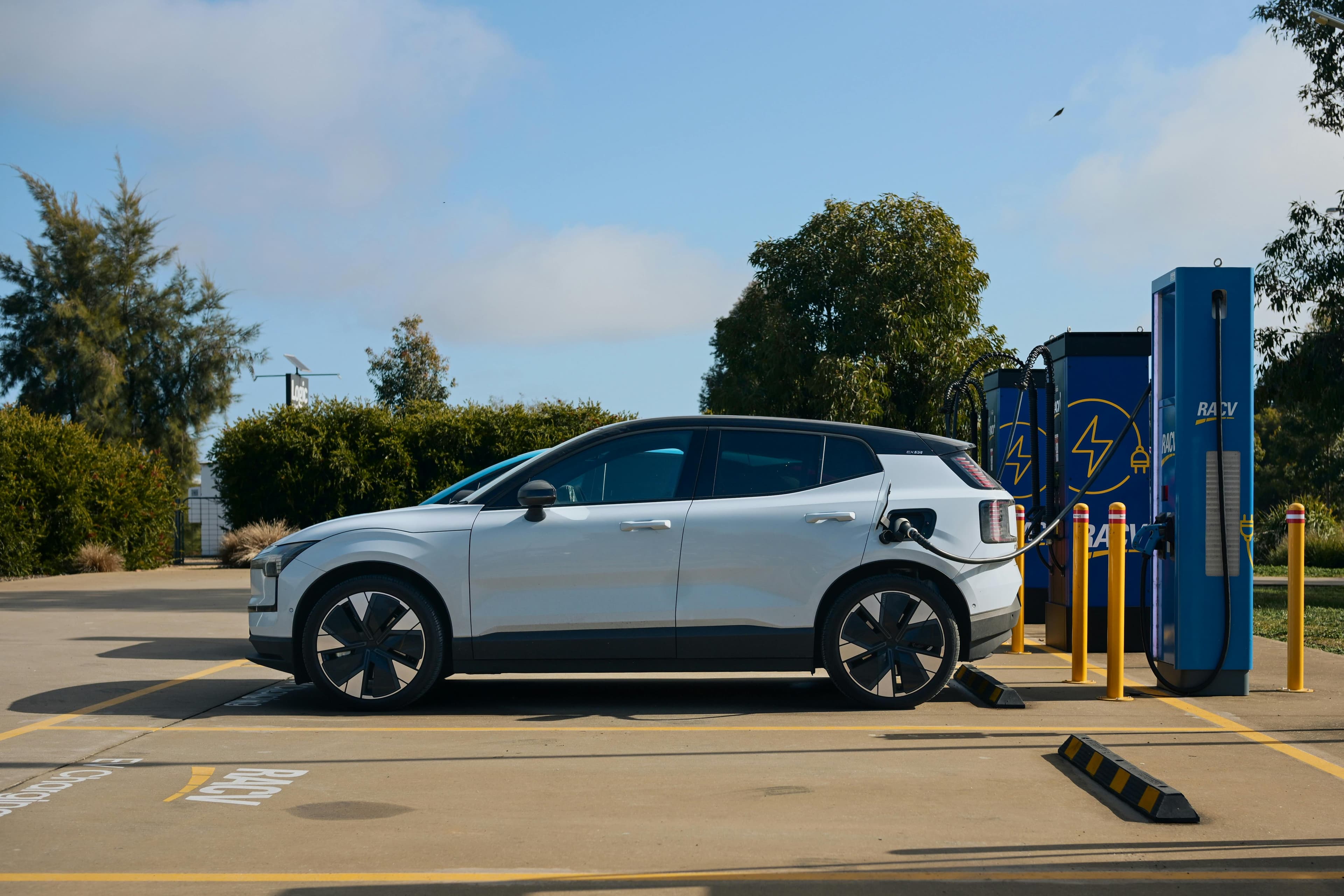
For tradies doing under 200 kilometres a day in metro or suburban areas, most modern EVs handle the job well with overnight home charging. For those regularly towing heavy loads over long distances or working in areas without reliable charging, the current options are more limited. Here is an honest look at what is available and whether it suits your line of work.
What types of EVs suit tradies?
The right vehicle depends on what trade you are in and how you use your vehicle day to day.
Electric vans. If you are a sparky, plumber, HVAC tech, or any trade where you carry tools and parts in an enclosed space, an electric van could be a strong fit. They offer good cargo space, low running costs, and the torque to handle a loaded vehicle. Several manufacturers now offer electric van options in Australia, with more coming. For van-specific finance, check out van finance.
Electric utes. This is the category most tradies are waiting for. Electric utes are arriving in the Australian market, and while the options are still growing, early models are showing promise. Payload and towing capacity are improving, and for tradies who mostly work in metro or suburban areas, range is not usually a problem. For more detail, see our guide on the best electric utes coming to Australia.
Electric SUVs and crossovers. If you are in a trade where you do not need a tray or cargo van, such as consulting, project management, or lighter trades, an electric SUV can do the job. They are comfortable for long days of driving between sites and cheaper to run than a petrol equivalent.
What to look for as a tradie
Payload and cargo capacity. Make sure the vehicle can carry your tools, materials, and equipment within its rated capacity. Overloading any vehicle, petrol or electric, is a safety and legal issue.
Range for your daily driving. Work out how many kilometres you do on a typical day. If it is under 200 kilometres (which covers most metro tradies), virtually any modern EV will handle it with overnight home charging. If you regularly do more, look at vehicles with 400+ kilometres of range.
Durability. Trade vehicles take a beating. Look at build quality, tray and cargo area materials, and whether the vehicle is designed for commercial use or just lifestyle use with a ute body.
Charging at home and on site. If you have a garage or driveway, overnight home charging is easy. If you are on a building site all day, check whether there are public chargers nearby or whether you can charge on site. Some tradies also install a charger at their workshop or depot.
Towing. If you tow a trailer regularly, check the rated towing capacity and be aware that range drops significantly under tow. Plan your charging accordingly.
Found an EV that fits your budget? The finance path needs to fit too.
We help you compare the main options for the vehicle you are considering - personal, business and novated where it applies.
The financial case
The financial argument for tradies is straightforward. Fuel is one of the biggest expenses for any trade vehicle. Switching to an EV can cut that cost dramatically, especially if you charge at home on off-peak electricity or from solar.
Servicing costs are lower too. Fewer moving parts means fewer things to maintain. No oil changes, no exhaust system, no timing belt.
For ABN holders, chattel mortgage is the most common finance structure. It gives you ownership from day one and opens up potential tax deductions on GST, depreciation, and interest. Your accountant can walk you through the specifics, and a specialist EV finance broker can compare lenders for the right structure.
Shopping under $50k often means trade-offs on range and spec - your loan term should match those trade-offs.
A broker can help you avoid a mismatch between how long you keep the car and how the loan is structured.
The honest limitations
EVs are not the right fit for every tradie yet. If you work in remote areas with no charging infrastructure, regularly tow heavy loads over long distances, or need a single-cab chassis with a custom tray and canopy setup (not widely available in electric yet), a diesel ute may still be the better choice right now.
That is changing, but there is no point pretending the options are identical today. Look honestly at your work pattern and driving habits before deciding.
For a broader look at finance across different vehicle types, visit Aussie Finance Hub.
For the heavier gear that goes with the job, Digger's Marketplace lists trucks, farm equipment and machinery from accredited Australian suppliers.