

Educational
EV Depreciation: How It Works for Business Buyers
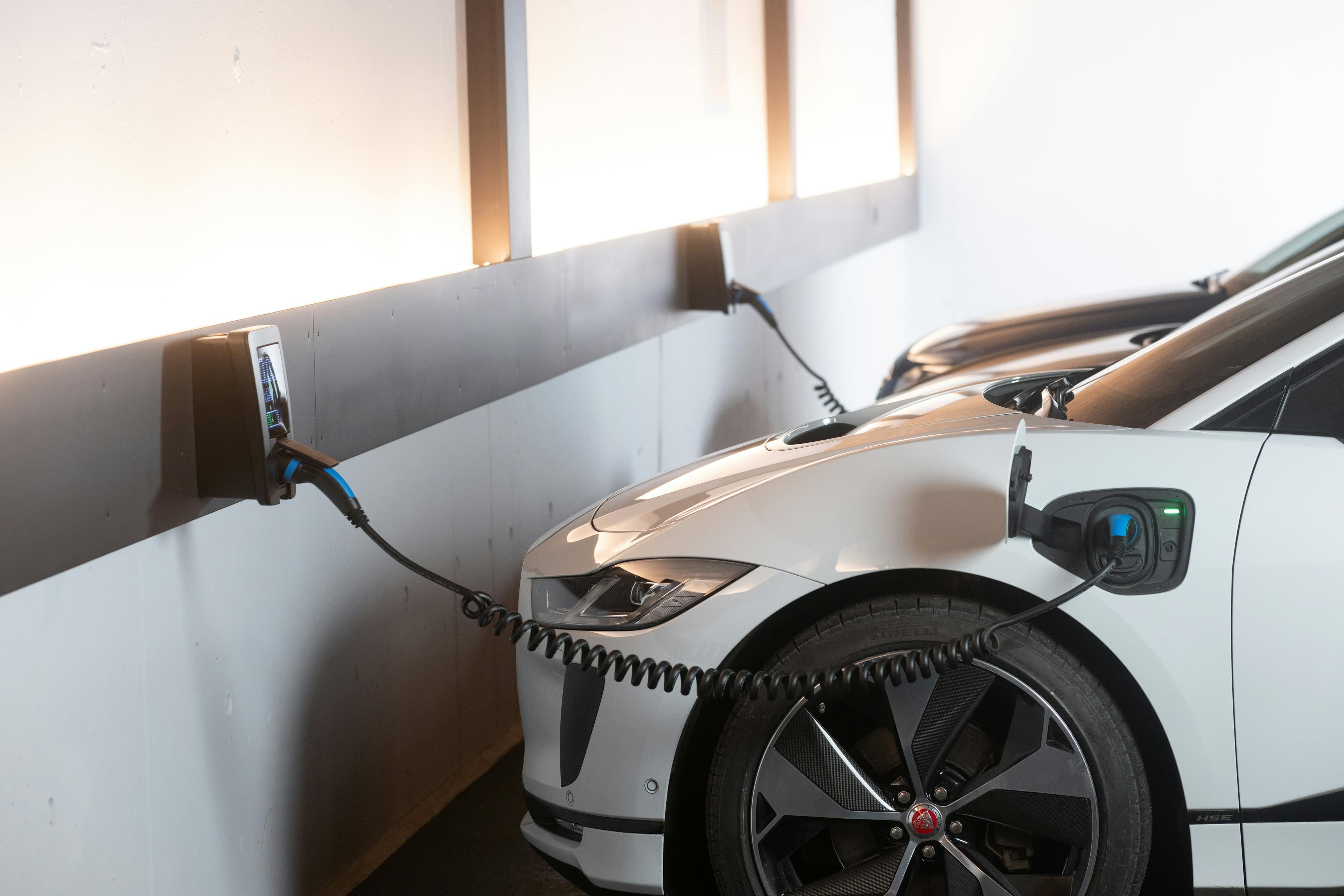
Depreciation is the ATO-recognised decline in value of a business EV over its effective life, typically 8 years for motor vehicles, and it directly reduces your taxable income each year. It also affects your finance structure and the true cost of the vehicle to your business. Here is a practical explanation.
What is depreciation?
Depreciation is the decline in value of an asset over time. When you buy an EV for your business, the vehicle loses value each year as it ages, accumulates kilometres, and newer models come to market.
For tax purposes, the ATO allows businesses to claim a deduction for this loss in value. In other words, you can reduce your taxable income by the amount the vehicle depreciates each year.
This is a real and meaningful tax benefit. The faster you can depreciate the vehicle, the bigger the deduction in the early years.
Buying your first EV can feel like a lot of new numbers. You do not have to work it out alone.
We connect you with someone who can explain repayments, balloon options and what paperwork usually looks like.
No obligation to proceed.
How is depreciation calculated?
There are two main methods used for tax depreciation in Australia.
Diminishing value method. This front-loads the depreciation, giving you larger deductions in the early years and smaller deductions later. It reflects the reality that most assets lose value fastest when they are new.
Prime cost method. This spreads the depreciation evenly across the vehicle's effective life. You get the same deduction each year.
The ATO sets the effective life for most asset types. For motor vehicles, this is typically 8 years. Your accountant can advise on which method suits your business.
Depreciation is only one side of the equation. The finance structure behind the vehicle matters just as much. See loan-o's secured vs. unsecured business loan guide for how that choice affects your business.
The instant asset write-off
The instant asset write-off (or temporary full expensing, depending on the financial year and current legislation) allows eligible businesses to deduct the full cost of an asset in the year it is purchased, rather than depreciating it over several years.
Found an EV that fits your budget? The finance path needs to fit too.
We help you compare the main options for the vehicle you are considering - personal, business and novated where it applies.
When available, this is a significant benefit. It brings forward the entire tax deduction into one financial year, which can make a real difference to your tax bill.
Eligibility, thresholds, and availability change regularly. Always check the current rules with your accountant or the ATO before making purchasing decisions based on this incentive.
For more on tax incentives for EVs, see our guide on EV government incentives.
How depreciation interacts with finance
If you are using a chattel mortgage, you own the vehicle from day one and can claim depreciation from the date of purchase. This is one of the key advantages of chattel mortgage for business buyers.
Shopping under $50k often means trade-offs on range and spec - your loan term should match those trade-offs.
A broker can help you avoid a mismatch between how long you keep the car and how the loan is structured.
Under a finance lease, the lender owns the vehicle, so the depreciation treatment is different. Your lease payments are typically deductible as a business expense instead.
Your broker and accountant should work together (or at least be consulted together) to make sure the finance structure and the tax treatment align. For a detailed look at chattel mortgage, see our guide. And for a comparison of business finance options, see our guide on EV finance for small business owners.
Depreciation and resale value
Tax depreciation and real-world depreciation are not the same thing. The ATO's depreciation schedule is a formula for calculating your tax deduction. The vehicle's actual market value may depreciate faster or slower than the ATO schedule suggests.
This matters when it comes to setting a balloon payment on your finance. If the balloon is set higher than the vehicle's expected market value at end of term, you could end up in negative equity. Your broker should factor realistic depreciation into the finance structure.
For more on balloon payments, see our explanation of how balloon payments work.
For a broader overview of business asset finance, visit Aussie Finance Hub.
Need help structuring your business EV finance?
A specialist EV finance broker who understands commercial finance can help you structure the deal to maximise tax benefits while keeping your cash flow healthy. Talk to your accountant about the tax side, and talk to a broker about the finance side.
Or call 1800 4 NUDGE (1800 468 343).