

Educational
EV Government Rebates and Incentives in Australia
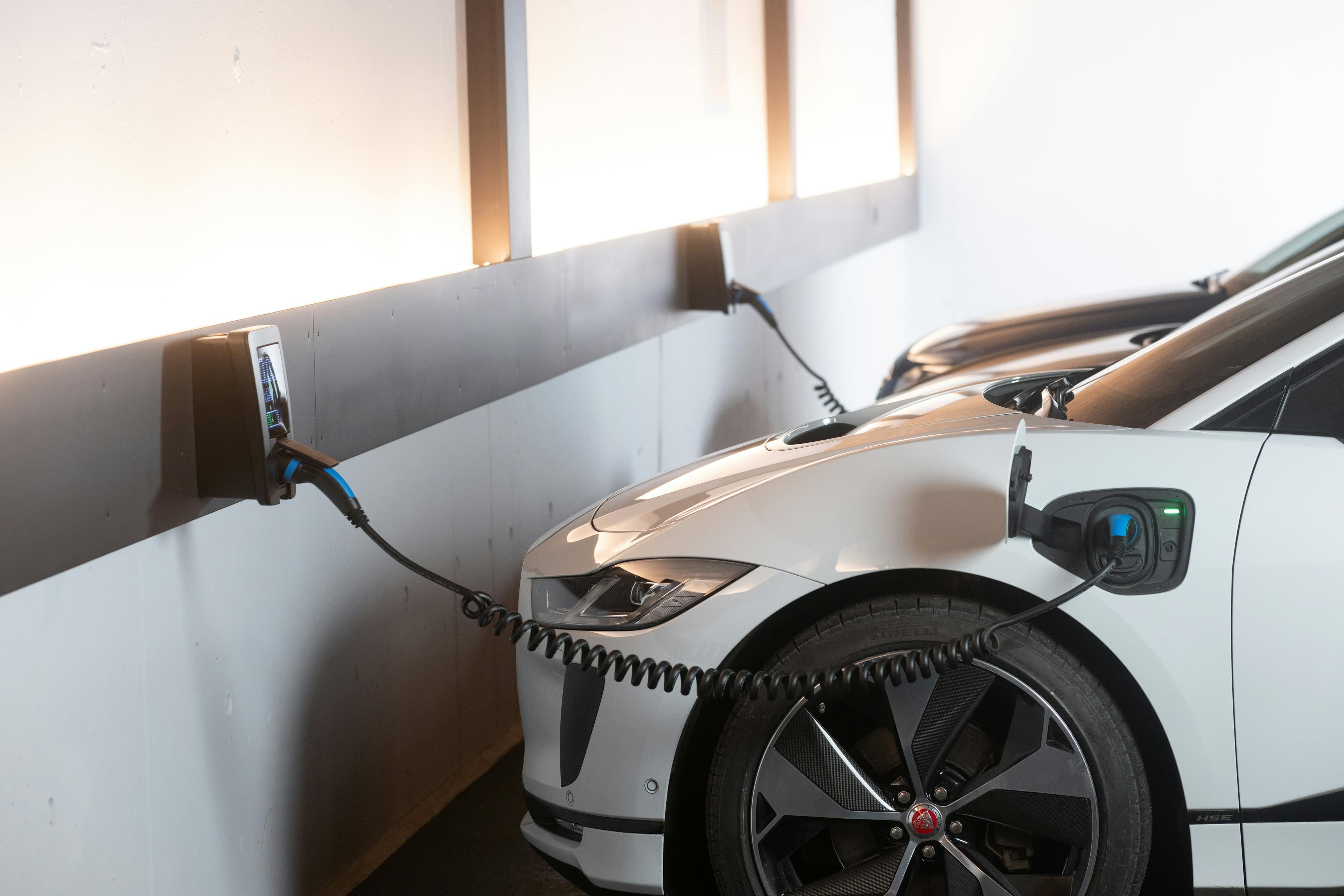
Australia's main EV incentives are federal: the fringe benefits tax exemption, the removed 5% import duty on eligible EVs, and a higher Luxury Car Tax threshold ($91,661) for fuel-efficient vehicles. Most state-level purchase rebates have been scaled back or ended since 2023-24, so check current status before you buy. This guide gives you the lay of the land.
Federal incentives
The Australian Government has introduced several measures to support EV uptake at the national level.
Fringe Benefits Tax (FBT) exemption. Eligible electric vehicles used through an employer are exempt from FBT, which can save thousands of dollars annually. This is one of the most significant incentives for company cars and salary sacrifice arrangements. We have a detailed guide on the EV FBT exemption if you want the full breakdown.
Import duty exemption. The government removed the 5% import tariff on eligible electric vehicles, reducing the purchase price.
Shopping under $50k often means trade-offs on range and spec - your loan term should match those trade-offs.
A broker can help you avoid a mismatch between how long you keep the car and how the loan is structured.
Luxury Car Tax threshold. Fuel-efficient vehicles (including EVs) have a higher Luxury Car Tax threshold than standard vehicles, meaning you can spend more before LCT kicks in. The federal fuel-efficient car limit for LCT is $91,661 for 2026-27; confirm the current indexed figure with the ATO when you buy, as it changes each financial year.
Other federal settings (such as the import duty treatment for eligible EVs and the FBT exemption outlined above) interact with price and who owns the vehicle. Always confirm the latest federal budget measures.
Rebates change how much you need to borrow, not just the sticker price. See loan-o's car loan deposit amount guide for how that plays out.
State and territory incentives
State and territory purchase rebates, stamp duty waivers, and registration discounts have changed repeatedly. As at early 2026, many of the headline state purchase rebates have ended or been scaled back compared to a few years ago. Treat old articles with caution and check your state treasury or transport department.
New South Wales: confirm current stamp duty, rebates, and any fleet programs on the NSW Government site. Broad EV rebates are not what they once were.
Victoria: check Revenue Victoria and transport notices for current duties and charges. Past EV rebate programs have largely wound down.
Queensland: confirm current concessions and any regional or fleet incentives on the Queensland Government site.
South Australia: check for current stamp duty and any remaining EV programs.
Western Australia: confirm current duties and WA transport guidance.
Tasmania: check state revenue and transport pages for current rules.
ACT: the ACT has often led on EV policy. Verify current stamp duty and registration settings.
Buying your first EV can feel like a lot of new numbers. You do not have to work it out alone.
We connect you with someone who can explain repayments, balloon options and what paperwork usually looks like.
No obligation to proceed.
Northern Territory: confirm any territory-specific concessions with NT government sources.
EV road user charges
Several states have introduced or proposed distance-based charges for EVs and PHEVs in the past. As at April 2026, there is no active EV road-user charge in effect in any state or territory in the form that was widely discussed. Policy can change, so verify with your state revenue or transport authority before budgeting.
Road user charges reduce the running cost advantage of EVs slightly, but in most cases the overall running cost is still lower than a petrol vehicle. Factor them into your calculations but do not let them be a deal-breaker.
How to stay up to date
Because incentives change regularly, here are the best ways to stay informed:
Check your state government's transport or environment department website for current programs.
Found an EV that fits your budget? The finance path needs to fit too.
We help you compare the main options for the vehicle you are considering - personal, business and novated where it applies.
The Electric Vehicle Council of Australia maintains summaries of incentives. Verify against primary sources.
Your accountant can advise on tax-related incentives specific to your situation.
A specialist EV finance broker can help you understand how incentives affect your finance structure and total cost.
The bottom line
Government incentives can meaningfully reduce the cost of an EV, but they should not be the sole reason you buy one. Make sure the vehicle suits your needs, the finance works for your budget, and then treat the incentives as a welcome bonus.
If you want to understand how incentives interact with your finance structure, a broker can walk you through it. For broader finance guidance, visit Aussie Finance Hub.