

Educational
EV Fringe Benefits Tax Exemption: What You Need to Know
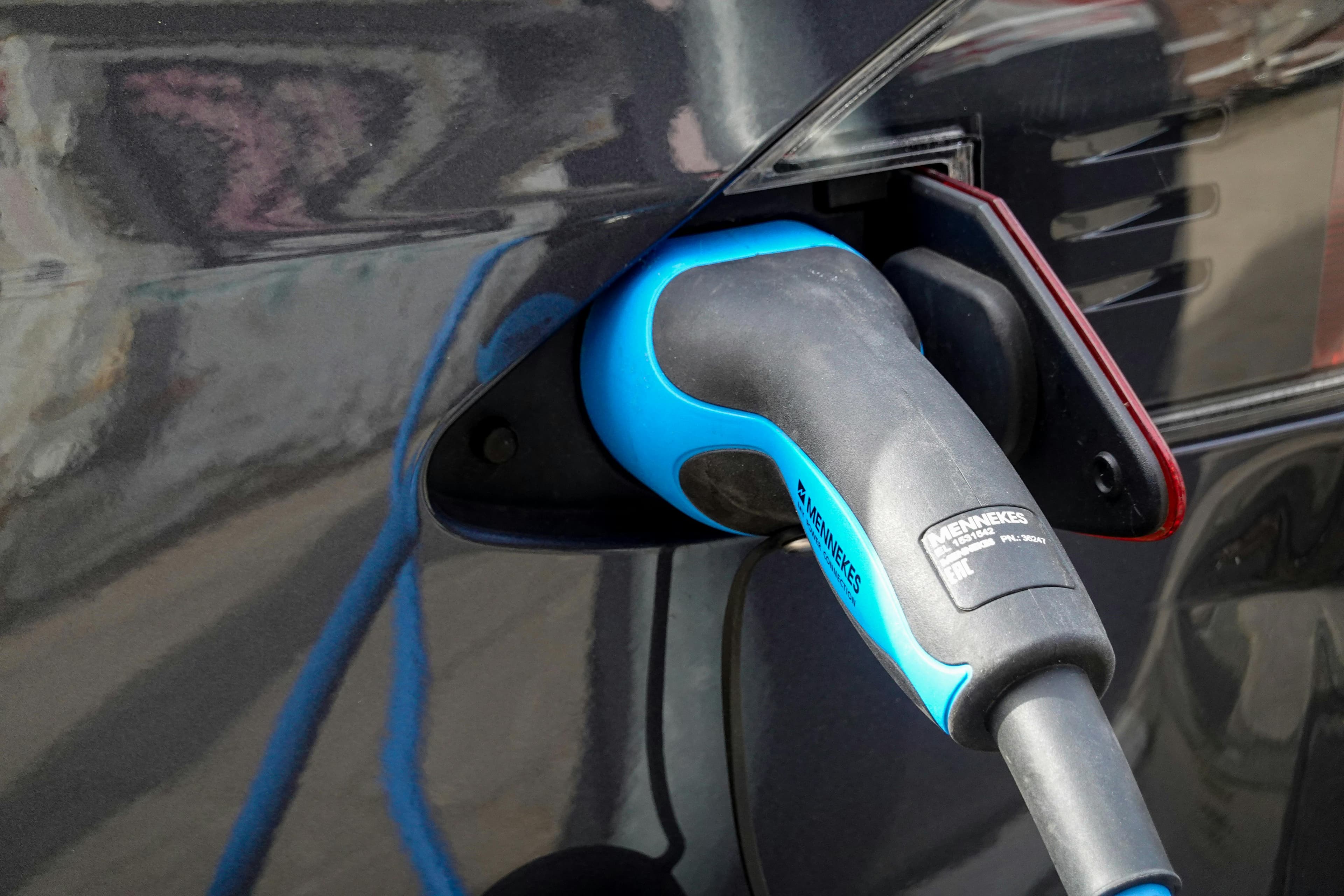
Eligible electric vehicles first held and used on or after 1 July 2022, and priced below the luxury car tax threshold for fuel-efficient vehicles ($91,661), are exempt from fringe benefits tax on personal use. This has become one of the biggest incentives for businesses and employees to go electric via a company car or salary sacrifice. Here is how it works in plain English.
What is fringe benefits tax?
Fringe benefits tax is a tax that employers pay on certain benefits provided to employees, including the personal use of a company vehicle. Before the EV exemption, if your employer provided you with a car and you used it for personal trips, the employer had to pay FBT on the personal-use component. That cost was often passed on to the employee in some form.
For a vehicle worth around $60,000, the annual FBT liability could run into thousands of dollars. It was a significant consideration for anyone using a company car.
How does the EV FBT exemption work?
Under the exemption, eligible electric vehicles provided to employees are exempt from FBT on the personal use component. In practical terms, an employer can provide an EV to an employee, the employee can use it for personal driving, and no FBT is payable on that benefit.
This makes EVs more attractive as company cars or salary sacrifice vehicles compared to petrol or diesel alternatives, where FBT still applies.
Which vehicles are eligible?
To qualify for the FBT exemption, the vehicle must be a zero or low emissions vehicle (battery electric, hydrogen fuel cell, or plug-in hybrid, subject to current law), have a value at first retail sale below the luxury car tax threshold for fuel-efficient vehicles ($91,661 for the 2026-27 financial year; this is indexed and updated annually, so confirm the current figure with the ATO), and have been first held and used on or after 1 July 2022.
Eligibility updates: rules can change with federal budgets and Treasury laws. Notably, the plug-in hybrid FBT exemption ended from 1 April 2025 for new arrangements. Verify how this applies to your vehicle and salary packaging setup with your accountant or the ATO.
If you are trying to work out whether the FBT exemption changes the maths on a broader finance decision, loan-o's why borrower fit beats interest rate guide is a useful next read.
The eligibility criteria and threshold may change over time. Always verify the current rules with your accountant or the ATO before making purchasing decisions based on the exemption.
How much can you save?
The savings depend on the value of the vehicle, the employee's tax bracket, and how the arrangement is structured. As a rough guide, the FBT exemption can save an employer (or the employee, in a salary sacrifice arrangement) several thousand dollars per year compared to providing an equivalent petrol vehicle.
When combined with the ability to pay for the vehicle and running costs from pre-tax salary (in a salary sacrifice arrangement), the effective cost of driving an EV can be substantially lower than the sticker price suggests.
Your accountant or salary packaging provider can model the exact savings for your situation. We are not in a position to provide specific tax advice, but we can connect you with a specialist EV finance broker who understands how to structure the finance side of it. If this is sounding relevant to your situation, get in touch and a broker can talk through the finance options.
Not sure whether salary sacrifice is the best fit? Compare it properly before you commit.
We help you weigh novated lease against consumer and business finance so you see the practical differences, not just the brochure.
What about salary sacrifice?
The FBT exemption has made salary sacrificing an EV one of the most tax-effective ways to access a new car. Under a novated lease arrangement, the employee's pre-tax salary is used to cover the lease payments and running costs, reducing their taxable income. With the FBT exemption on top, the overall cost can be very favourable.
Novated leases are arranged through your employer and their salary packaging provider, not directly through us. But if you are exploring other finance structures (such as a chattel mortgage or consumer loan for an EV you are buying outright), our broker team can help. For more detail on salary sacrifice specifically, see our dedicated guide on salary sacrificing an EV.
Does this apply to sole traders and small businesses?
The FBT exemption specifically relates to fringe benefits, which means it applies where there is an employer-employee relationship. Sole traders without employees do not pay FBT on their own vehicle use, so the exemption is not directly relevant in the same way.
However, sole traders and small business owners can still access other tax advantages when financing an EV, including potential deductions for depreciation, interest on finance, and running costs. Chattel mortgage and finance lease structures are worth exploring. Our guide on EV finance for small business owners covers these in detail.
The FBT exemption makes novated attractive - but your employer and payroll setup still have to work.
A broker can talk you through what usually happens next and what questions to ask your payroll team.
For a broader view of business asset finance, Aussie Finance Hub is a good resource.
Key things to remember
The FBT exemption is a genuine and significant incentive, but do not buy a vehicle solely because of a tax benefit. Make sure the EV suits your needs, the finance structure works for your cash flow, and you have confirmed the tax implications with a qualified professional.
Tax rules change, thresholds move, and eligibility criteria can be updated. What applies today may not apply next financial year. Always get current advice.