

Educational
How Much Does It Cost to Charge an EV in Australia?
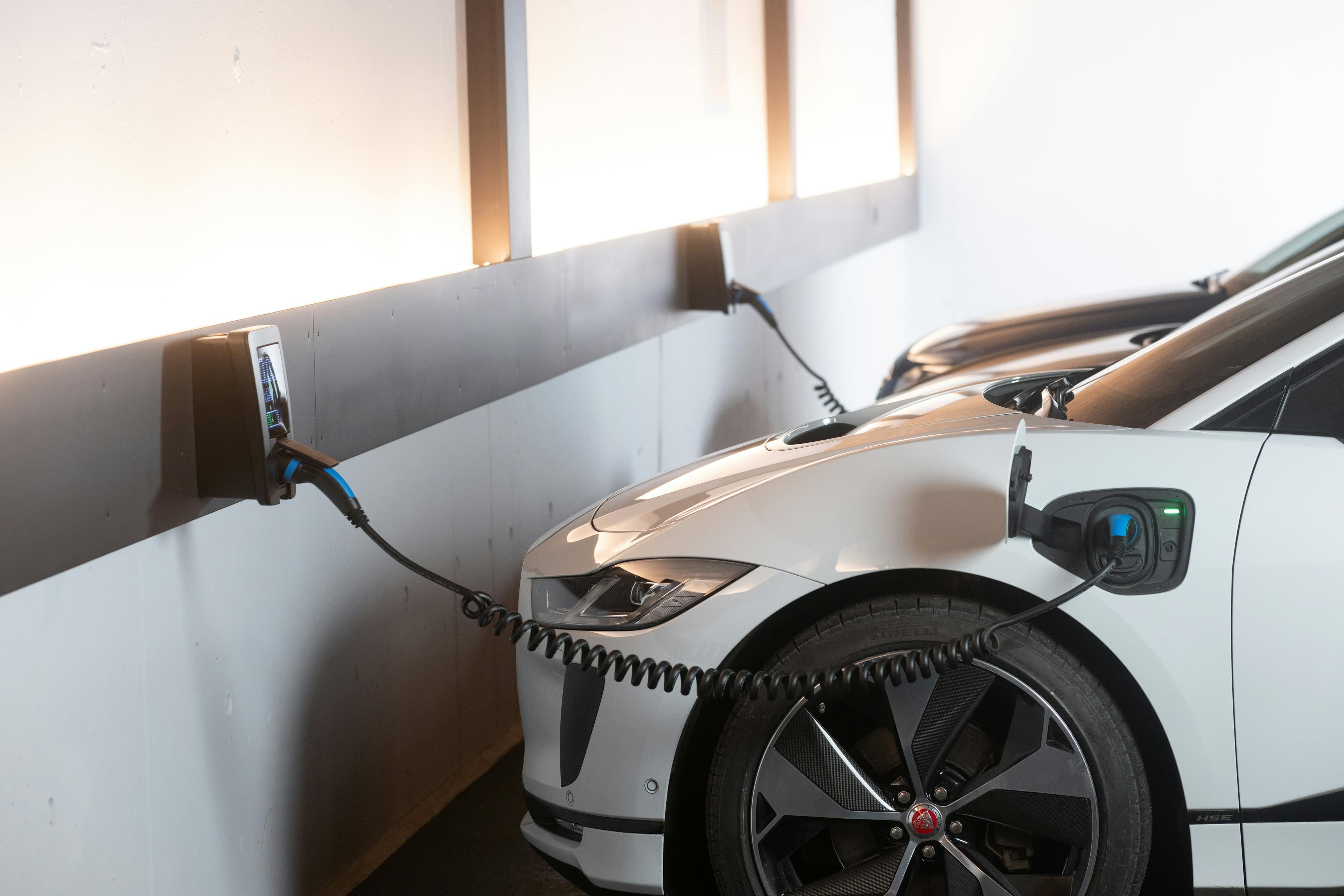
Charging an EV at home typically costs $3.75 to $8.00 per 100 kilometres, compared with roughly $14.40 to $16.00 per 100 kilometres for an equivalent petrol car. The exact cost depends on where you charge, when you charge, and what electricity rate you are paying.
Here is a clear breakdown.
Charging at home
Home charging is where EVs are cheapest to run, and it is where most EV owners do the bulk of their charging.
The maths is simple. You need two numbers: your electricity rate (cents per kilowatt-hour) and your vehicle's energy consumption (kilowatt-hours per 100 kilometres).
Most Australians pay between $0.25 and $0.40 per kWh on a standard electricity plan. Most EVs consume between 15 and 20 kWh per 100 kilometres.
Wondering what monthly repayments might look like alongside your new running costs?
Share the vehicle band you are considering and we can help you sense-check repayments before you commit to a purchase timeline.
That puts your home charging cost at roughly:
At $0.25/kWh: approximately $3.75 to $5.00 per 100km At $0.30/kWh: approximately $4.50 to $6.00 per 100km At $0.35/kWh: approximately $5.25 to $7.00 per 100km At $0.40/kWh: approximately $6.00 to $8.00 per 100km
Compare that to a petrol car using 8 litres per 100 km at roughly $1.80-$2.00 per litre (check local prices), which works out to about $14.40-$16.00 per 100 km in fuel alone.
Even at the highest electricity rates, charging an EV at home is roughly half the cost of petrol or less.
Charging on off-peak rates
Many electricity plans offer a lower rate during off-peak hours, typically overnight. If your plan has a time-of-use tariff, you can set your EV to charge during off-peak hours (most EVs and home chargers have scheduling features) and bring the cost down even further.
Off-peak rates vary by provider and state but are often $0.15-$0.25 per kWh, making overnight charging even cheaper.
Charging with solar
If you have rooftop solar panels, you can charge your EV during the day using your own generated electricity. Depending on your system size and how much power you are exporting to the grid, this can reduce your charging cost to near zero.
The trade-off is that you need to be home during the day (or at least have the car plugged in at home during daylight hours) to take advantage of solar generation. A smart charger with solar tracking can help optimise this.
Public charging
Public charging is more expensive than home charging, but it is what you use on road trips or when you cannot charge at home.
There are two types:
AC destination chargers. Found at shopping centres, hotels, and car parks. These are slower (similar speed to a home Level 2 charger) and are often free or low-cost. They are useful for topping up while you shop or stay overnight.
DC fast chargers. Found along highways and at dedicated charging stations. These are much faster, typically adding 200 to 300 kilometres of range in 20 to 40 minutes. They are also more expensive.
DC fast charging typically costs between $0.50 and $0.75 per kWh on many networks, or some networks charge by the minute rather than by the kWh. A fast charge that adds a couple of hundred kilometres of range might cost around $25-$45 all-in, depending on pricing model and how much energy you add.
Some charging networks offer subscription plans that reduce the per-kWh rate if you charge frequently.
How does it add up over a year?
Let us do some rough maths for a driver covering 15,000 kilometres per year.
Lower fuel bills are only half the picture - the loan structure needs to fit how long you will keep the car.
A broker can match term, balloon and payment rhythm to how you drive and how you use the vehicle.
Guidance for personal and business use.
Home charging (at $0.30/kWh, 17 kWh/100km): approximately $765 per year. Petrol (at 8L/100km, $2.00/L): approximately $2,400 per year.
That is a saving of over $1,600 per year on fuel alone. If you charge on off-peak or solar, the saving is even larger. Over a 5-year finance term, the fuel savings can amount to $8,000 or more, which is worth mentioning to a specialist EV finance broker when you are comparing loan terms and repayment structures.
For a full picture of all running costs (not just fuel), see our comparison of EV running costs vs petrol cars. If you are thinking about setting up a home charger, our guide on EV charging at home covers costs and installation.
For broader finance information, Aussie Finance Hub has a wide range of guides.