

Knowledge base
EOFY EV Buying Guide: Tax Tips Before June 30
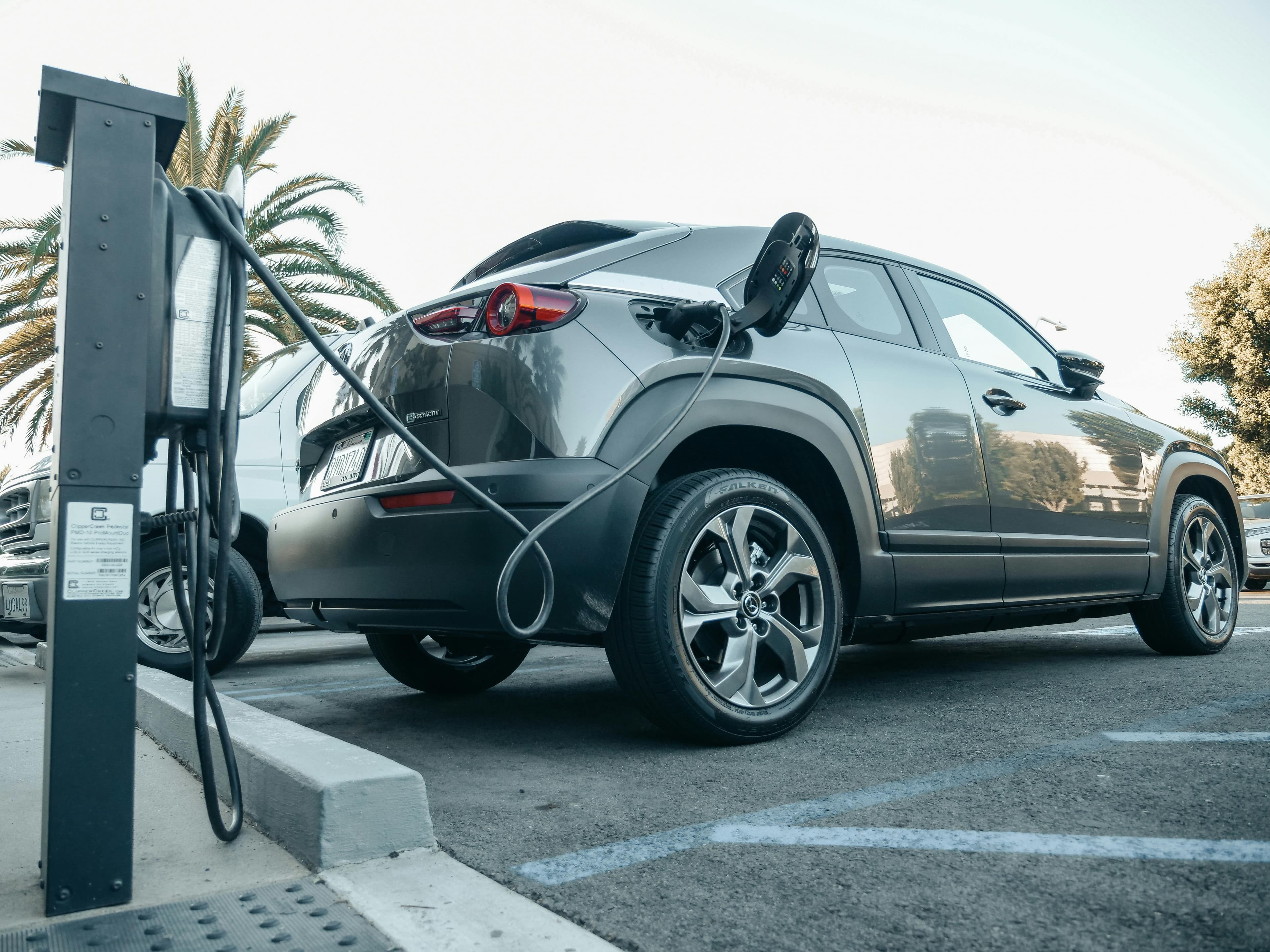
To claim EOFY tax benefits on a business EV, the vehicle needs to be delivered and in use before June 30, not just ordered. Buying before that date can bring forward instant asset write-off eligibility, a full year of depreciation, and the GST credit into the current financial year. Here is what to think about before the deadline.
Why EOFY matters for business EV buyers
Several tax benefits for business vehicle purchases are tied to the financial year in which the asset is first used. If you buy and start using an EV before June 30, you may be able to claim the following in the current financial year:
Instant asset write-off or temporary full expensing (if currently available and you are eligible). This can allow you to deduct the full cost of the vehicle in the year of purchase. See our guide on the instant asset write-off for EVs for the current rules.
Depreciation. Even if the instant write-off is not available, you can start claiming depreciation from the date the asset is first used. Buying in June rather than July means you start depreciating a year earlier. For more on this, see our guide on EV depreciation for business.
GST credit. If you are registered for GST and using a chattel mortgage, you can claim the GST on the purchase price in the BAS period in which the purchase is made.
Interest deductions. Interest on the finance starts accruing from settlement, and the business-use portion is deductible.
If you are trying to make sense of the rate you are quoted before the deadline, see loan-o's understanding comparison rates guide.
The EOFY checklist
If you are planning an EOFY EV purchase, here is what to work through:
Found an EV that fits your budget? The finance path needs to fit too.
We help you compare the main options for the vehicle you are considering - personal, business and novated where it applies.
Confirm the current availability of the instant asset write-off. Rules change. Check with the ATO or your accountant.
Understand the car limit. The ATO sets a cap on the amount you can claim for a passenger vehicle. For the 2026-27 financial year the car cost limit for depreciation claims is $69,883 (it was $69,674 in 2024-25). If your EV costs more than this, your claim is capped - this limit is updated annually, so confirm the current-year figure before relying on it.
Calculate the business use percentage. If the vehicle is used partly for personal purposes, your deductions are proportional to the business use.
Talk to your accountant before committing. They can model the tax impact and tell you whether the purchase makes sense for your business this financial year or whether waiting is better.
Shopping under $50k often means trade-offs on range and spec - your loan term should match those trade-offs.
A broker can help you avoid a mismatch between how long you keep the car and how the loan is structured.
Talk to a specialist EV finance broker early. Finance takes time to arrange, and rushing a purchase to beat June 30 is not worth it if the deal is not right. Start the conversation well before the deadline so your broker has time to find the right lender and structure.
Make sure the vehicle is delivered and in use before June 30. For most tax purposes, the asset needs to be installed and ready for use (not just ordered) before the end of the financial year. Plan for delivery lead times.
Don't let tax drive a bad decision
Tax benefits matter, but they should not be the main reason for buying a vehicle. If the EV does not suit your business needs, or if the finance does not fit your cash flow, a tax deduction does not fix that.
Buy the right vehicle at the right price with the right finance, and use the tax benefits to improve the outcome. Do not buy the wrong vehicle just to get a write-off.
What if you miss the deadline?
If you do not get the purchase done before June 30, it is not the end of the world. The same tax benefits (subject to the rules at the time) will generally apply in the next financial year. You lose the timing advantage for this year's tax return, but you gain more time to find the right vehicle and the right deal.
For more on the various EV tax incentives available, see our guide on EV government rebates and incentives. And for chattel mortgage specifically, see our detailed guide.
For a broader view of business finance, visit Aussie Finance Hub.